1. Home
  2. Procedures
  3. General Ophthalmology

General Ophthalmology

Complete eye care for every age.

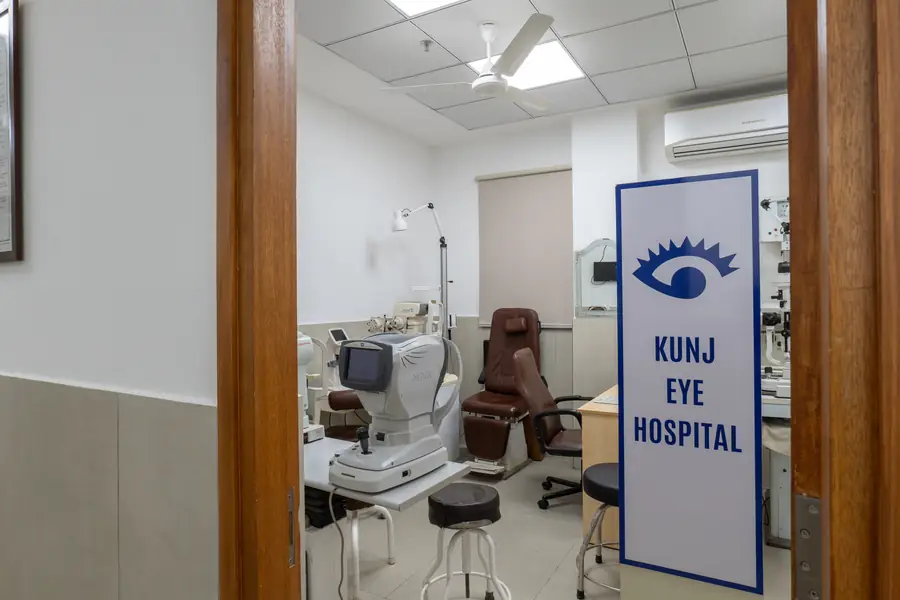
Eye testing room at Kunj Eye Hospital with an auto-refractometer

Complete eye care for every age

Everyday eye health, all in one place

General ophthalmology covers the full spectrum of everyday eye health — from routine check-ups and vision correction to diagnosing and treating common eye conditions.

Whether you need a simple glasses prescription, are experiencing eye discomfort, or want a comprehensive health screening, our general ophthalmology services are designed to keep your eyes healthy at every stage of life.

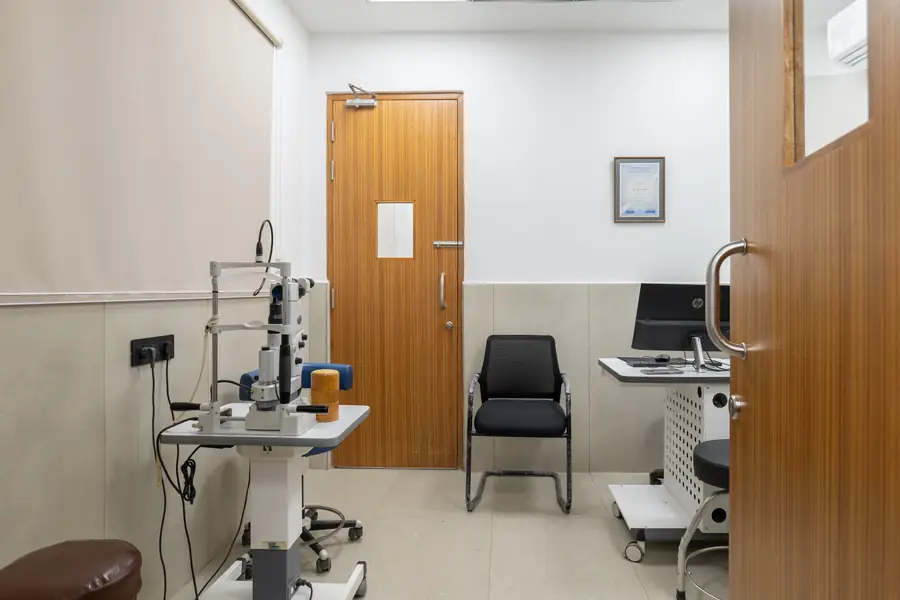
Examination room at Kunj Eye Hospital with a slit-lamp microscope
Our examination room at Kunj Eye Hospital.

What we offer

Services we offer

Comprehensive eye examinations

A full assessment of your eye health and visual function, including:

  • Visual acuity testing
  • Refraction (glasses / contact lens prescription)
  • Eye pressure measurement
  • External and internal eye examination
  • Dilated retinal exam to check the back of the eye
  • Screening for early signs of cataracts, glaucoma, and retinal disease

Glasses & contact lens prescriptions

Accurate refraction testing to correct nearsightedness, farsightedness, astigmatism, and presbyopia (age-related difficulty focusing up close), along with guidance on choosing the right lenses and contact lens fitting for your lifestyle.

Red eye & eye infections

Evaluation and treatment of conjunctivitis (pink eye), styes, chalazia, blepharitis (eyelid inflammation), and other causes of redness, irritation, or discharge.

Eye allergies

Diagnosis and management of allergic conjunctivitis, causing itching, redness, watering, and swelling — often seasonal or triggered by dust, pollen, or pet dander.

Eye strain & digital eye fatigue

Assessment and management of symptoms linked to prolonged screen use, including dryness, blurred vision, headaches, and difficulty focusing — increasingly common with modern work-from-home and digital lifestyles.

Paediatric eye care

Vision screening and treatment for children, including detection of lazy eye (amblyopia), crossed eyes (strabismus), and refractive errors that can affect learning and development if untreated.

Urgent

Eye injuries & emergencies

Prompt evaluation and treatment for foreign bodies, minor trauma, chemical exposure, and other urgent eye concerns.

Systemic conditions affecting the eyes

Regular eye screening for patients with diabetes, hypertension, thyroid disorders, and autoimmune conditions, which can all impact eye health.

Signs to watch for

Common symptoms we address

  • Blurred or fluctuating vision
  • Eye redness, itching, or discharge
  • Dryness, burning, or a gritty sensation
  • Headaches associated with visual strain
  • Difficulty seeing at night
  • Excessive tearing or watering
  • Sensitivity to light
  • Frequent squinting or eye rubbing (especially in children)

Prevention

Why regular eye check-ups matter

Many eye conditions — including glaucoma, diabetic retinopathy, and early cataracts — develop gradually with few or no early symptoms. Routine comprehensive eye exams allow for early detection, when treatment is most effective, and also serve as a window into broader health, often revealing early signs of diabetes, high blood pressure, or other systemic conditions.

Recommended eye exam frequency

  • ChildrenFirst exam by age 3, then before starting school and every 1–2 years after
  • Adults 18–40Every 2 years, or annually if wearing glasses or contacts
  • Adults 40–60Every 1–2 years, as risk for conditions like glaucoma increases
  • Adults 60+Annually, due to higher risk of cataracts, AMD, and glaucoma
  • Diabetes or family historyAnnually, regardless of age

Your visit

What to expect at your visit

  1. Your history

    A discussion of your symptoms, medical history, and lifestyle.

  2. Vision testing

    Vision and refraction testing.

  3. Pressure & external exam

    Eye pressure check and external examination.

  4. Retina & optic nerve

    Dilated examination of the retina and optic nerve, if needed.

  5. Your plan

    A personalised treatment plan, or referral to a specialist if a specific condition is identified.

Your care at Kunj Eye Hospital

Doctors, equipment & related services

Your doctors

Consultations are with our ophthalmologists:

Equipment used

Autorefractometer and auto-lensometer for glasses power, digital slit lamp, Goldmann applanation tonometer, and synoptophore for squint assessment.

See all our facilities & equipment

Ready to take the first step towards clearer, healthier vision with expert care?